
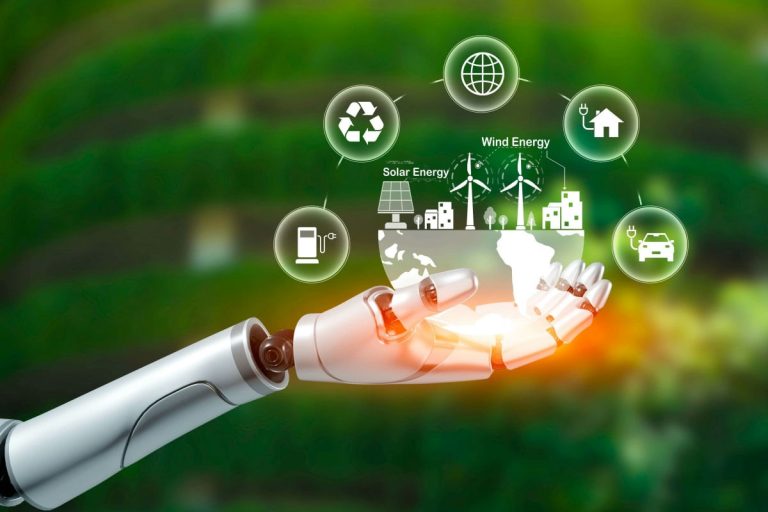
The robotics industry, like other industrial sectors, faces growing energy challenges. With the increasing robotization of factories and production lines, the energy consumption of robots represents a significant share of operating costs. Industrial robots are essential for increasing productivity, improving quality, and reducing cycle times. However, their intensive use leads to a considerable demand for electricity, posing both economic and environmental challenges. One of the main challenges is the management of limited energy resources. Electricity rates vary according to the time of day and seasons, making peak consumption management crucial for cost reduction. Moreover, managing the heat generated by robots in operation is another aspect to consider, as it can impact the lifespan of components and increase cooling costs. Environmental constraints are also a determining factor. With increasingly strict CO2 emission regulations and the transition to renewable energy sources, companies must rethink their energy consumption to reduce their carbon footprint. Energy optimization of robots becomes a priority to combine economic performance and respect for ecological commitments. Finally, the diversity of robotic applications and their specificities require tailor-made solutions. A robot used for welding will have different energy needs than one used for assembly or logistics. This diversity complicates the task of energy optimization, requiring flexible and adapted solutions for each industrial situation.
To overcome energy challenges in the robotics industry, numerous technologies are emerging, aiming to optimize energy management. Among them, energy recovery systems play a crucial role. These systems capture the energy dissipated during the braking or deceleration phases of robots and reuse it in phases where additional energy is required. This process, already widely adopted in the automotive sector with regenerative brakes, is starting to spread in the robotics industry. High-efficiency motors also represent a significant advancement. Recent improvements in electric motor design minimize energy losses and improve efficiency. The use of advanced materials and technologies like direct drives, without belts or gears, helps reduce energy consumption. Energy management systems based on sophisticated algorithms are also in full development. These systems can optimize energy consumption in real-time based on the tasks to be performed and environmental conditions. For example, machine learning algorithms can analyze robots’ work cycles and adjust parameters to minimize energy consumption without compromising performance. Intelligent sensor networks are another pillar of energy optimization. They continuously collect data on robot performance, environmental conditions, and energy needs. This data is then processed by software to adjust the energy supply in real-time, ensuring optimal resource management. These new energy management technologies are not limited to reducing consumption. They also aim to extend equipment lifespan by reducing thermal and mechanical stress on components and improve the predictability of energy expenses, a crucial factor for industrial budget planning.
Artificial intelligence (AI) plays an increasingly important role in the energy optimization of industrial robots. Thanks to AI, companies can exploit advanced algorithms to analyze vast amounts of data from robots and their environment, making informed and automated decisions in real-time. Among the applications of AI for energy efficiency, optimization of trajectories is particularly interesting. By calculating the most energy-efficient paths for robot movements, AI can reduce energy consumption while ensuring tasks are performed efficiently and accurately. These optimizations consider various factors such as physical constraints, environmental obstacles, and production goals. AI also enables predictive maintenance, contributing to energy efficiency. By continually analyzing sensor data and identifying early signs of potential failures, AI systems can plan precise interventions before problems arise. This maintains robots in optimal working condition, reducing energy consumption due to friction, excessive heat, and other inefficiencies. Furthermore, AI can be used for real-time monitoring and optimization of energy systems. For instance, neural networks can adjust robot operating parameters in real-time based on instantaneous data on energy consumption and operational conditions. This dynamic approach maximizes energy efficiency while meeting variable operational requirements. Moreover, integrating AI into robotic systems promotes better management of renewable energy. AI algorithms can coordinate robot operation based on the availability of solar or wind energy, for example, optimizing the use of renewable resources and reducing reliance on conventional energy sources. The impact of AI on the energy efficiency of industrial robots is therefore significant. By enabling smarter and more responsive energy management, AI paves the way for more sustainable and economical solutions in the robotics industry.
Several companies have already begun integrating energy innovations to improve the efficiency of their industrial robots. Here are some examples illustrating how they have succeeded in optimizing their energy consumption. ABB, a leader in industrial robots, has developed energy optimization solutions including high-efficiency motors and energy recovery systems. In particular, their YuMi robot, designed for collaborative assembly, uses advanced technologies to recover kinetic energy during braking phases, thus reducing overall energy consumption. Fanuc, another major player in robotics, has implemented solutions combining AI and smart sensors to optimize their robots’ energy consumption. By analyzing performance data in real-time, algorithms automatically adjust the operational parameters of robots, achieving significant energy savings without compromising performance. KUKA Robots has developed the KUKA Connect platform, a cloud-based solution for managing and optimizing robots’ energy efficiency in real-time. By using field-collected data, KUKA Connect provides personalized recommendations to improve operational efficiency and reduce energy consumption. Another pioneering company, Schunk, has introduced high-energy-performance electromechanical gripping modules. These modules reduce energy consumption by precisely adjusting the gripping force based on the characteristics of the objects being handled. This not only saves energy but also extends component lifespan. These companies demonstrate how targeted strategies and technological developments can transform the energy consumption of industrial robots. For example, Bosch has reduced energy consumption in its robotized production lines by integrating energy management systems based on machine learning algorithms. These systems anticipate energy needs and adapt consumption accordingly, optimizing resource use. These cases show that adopting energy innovations not only reduces electricity bills but also enhances system sustainability, reduces environmental impact, and optimizes productivity. The achievements of these pioneering companies provide a model and encouragement for other industries to invest in energy optimization technologies.
The future of energy efficiency in industrial robots looks promising, with several trends and innovations on the horizon. One major trend is the increased integration of AI and machine learning in energy management. Algorithms will become increasingly sophisticated, allowing even finer and real-time optimization of energy resources, based on millions of data points analyzed instantly. The development of new high-energy-efficiency materials will also be a major advance. For example, exploring smart materials capable of reconfiguring or self-repairing would reduce energy losses related to friction and wear. These materials could also integrate energy storage capabilities, contributing to more localized and efficient management of the energy consumed by robots. Collaboration between robots and renewable energy sources is another promising trend. With the increasing capacity of renewable energies like wind and solar, robotic systems could adjust their operation based on fluctuations in energy production. AI-managed microgrids could optimally distribute energy to robots based on supply and demand. Innovations in sensor networks and the Internet of Things (IoT) will also play a crucial role. Sensors will become more heterogeneous and precise, enabling data collection not only on energy consumption but also on environmental conditions, system health, and production dynamics. Analyzing this massive data should identify unexpected energy optimization opportunities and adapt robot behaviors in real-time. Finally, regulations and standards will evolve to promote these energy improvements. Due to the increasing pressure to reduce the global carbon footprint, stricter regulations can be expected, pushing companies to adopt more energy-efficient technologies. This regulatory evolution could be accompanied by economic incentives in the form of subsidies or tax credits for companies investing in energy-efficient solutions. In summary, the future of energy efficiency in industrial robots relies on an ecosystem of interconnected and intelligent technologies. The synergy between AI, new materials, renewable energy sources, and sensor networks promises to radically transform how robots consume and manage energy. This evolution benefits not only the profitability and sustainability of companies but also global efforts to achieve ambitious climate goals.