
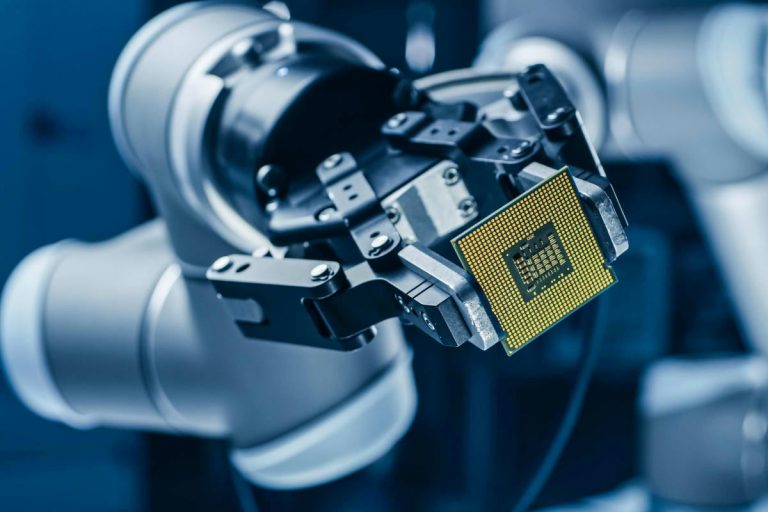
The electronics industry has undergone a major transformation since the introduction of robots in production lines. Initially, the adoption of robots was limited to very specific tasks such as screwing or welding components, thanks to relatively simple machines with articulated arms. However, over time, technological advances have made it possible to develop more sophisticated and versatile robots capable of performing complex tasks with increased precision. In the 1980s and 1990s, the emergence of robots equipped with advanced sensors and intelligent software marked a decisive turning point. These innovations allowed robots to interact more effectively with their environment and take on an increasing variety of tasks, such as handling fragile and miniaturized components. Automation has progressively gained ground, resulting in a significant increase in manufacturing process efficiency. Today, the electronics industry benefits from advanced robotic technologies such as computer vision, allowing robots to ‘see’ and accurately detect components to assemble. Moreover, collaborative robots, or ‘cobots’, facilitate cooperation between humans and machines, thereby improving flexibility and efficiency on production lines. The adoption of artificial intelligence and machine learning has also optimized robotic performance, paving the way for new innovations in electronic assembly. The gradual integration of these technologies continues to redefine the industrial landscape, transforming how electronic products are designed, manufactured, and assembled.
Integrating robots into electronic product assembly processes presents several considerable challenges for companies. One of the main obstacles is technological adaptation. Companies must invest in updating their existing systems, which may require significant changes in production infrastructure and logistics. This transition requires a careful assessment of the specific needs of the company, as well as resources allocated to research and development to design custom solutions. Training human resources is another crucial challenge. Employees must be trained to work effectively with these new technologies, which includes understanding robotic systems, knowing how to program, maintain them, and troubleshoot any issues that may arise. This can involve a significant investment in time and resources, as well as a restructuring of work teams to integrate specialists in robotics. Finally, the implementation and maintenance costs of robots must be carefully considered. While the initial investment may be high, maintenance costs and possible service interruptions can also have a significant impact on company budgets. Therefore, companies must plan regular evaluations to ensure their robotic systems are operating optimally and cost-effectively. Despite these challenges, the potential benefits of integrating robots, such as improved productivity and reduced errors, are driving many companies to invest in these technologies. The success of this integration rests on strategic planning and continuous adaptation to take advantage of robotic innovations.
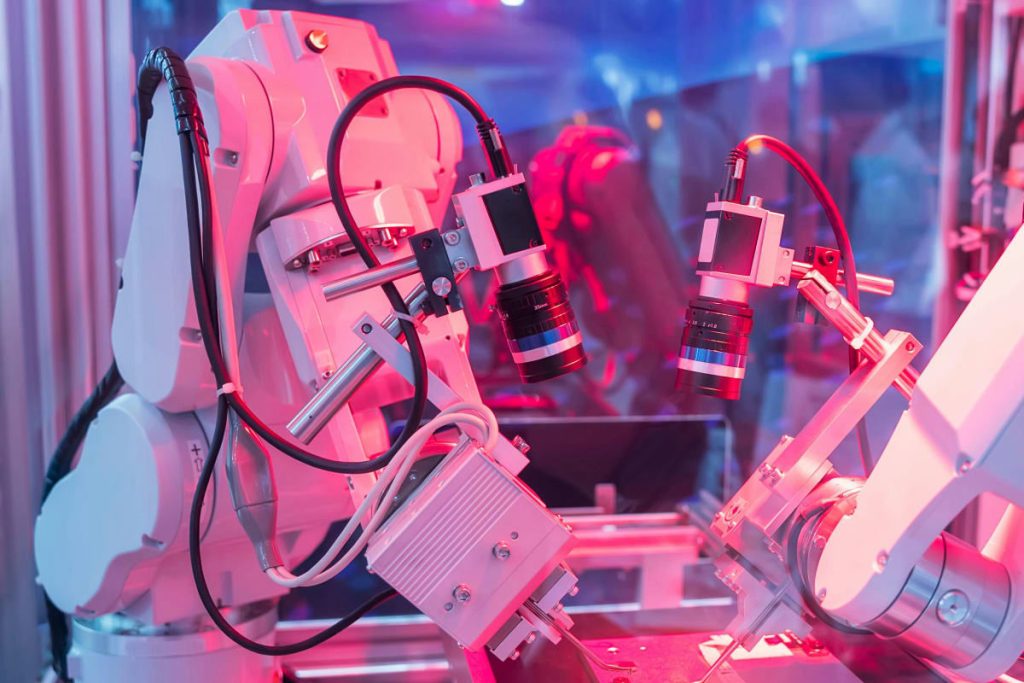
Robots offer numerous advantages in the assembly of electronic products, transforming how manufacturing processes are conducted. Firstly, one of the greatest strengths of robots is their ability to improve efficiency. With the ability to operate without interruption and repeat tasks with consistent precision, production lines can run at a faster pace, reducing cycle times and increasing overall output. Moreover, robots minimize human errors, which can be costly and time-consuming to rectify. The precision of robots ensures strict adherence to specifications and guarantees a high quality of finished products. This results in a reduction of scrap and necessary corrections, as well as increased customer satisfaction. The decrease in these errors also contributes to more efficient resource management, reducing waste of raw materials and other associated costs. The integration of robots in assembly processes also promotes a notable improvement in workplace safety. By taking on dangerous or repetitive tasks, robots allow workers to focus on less risky and more skilled tasks. This transition contributes to a safer working environment and a reduction in industrial accidents. Lastly, robots are often essential to meet the requirements of flexible and customized production. Their easy programming and rapid adaptability allow companies to adjust to changing market demands and customize products to specific customer needs. This flexibility helps enhance the competitiveness of companies in the electronics industry, enabling them to respond more effectively to market dynamics.